
Joshua 4:1-9, 20-24
In the attic of an old house, children discovered a treasure trove of letters written by their grandfather during World War II. One letter stood out among the rest: “If I don’t make it home, I want you to know I fought so you could live free. Love God and build a life worth living.”
These simple words reveal a profound truth about legacy—what we leave behind matters far more than we often realize.
The Danger of Forgetting
We live in an age of information overload, yet we struggle to remember what truly matters. We can recall trivial facts from decades ago while forgetting the grocery list we made ten minutes earlier. This human tendency to forget isn’t new. In fact, God knew about it thousands of years ago.
In Joshua chapter 4, we find the Israelites at a pivotal moment in their history. After forty years of wandering in the wilderness, they were finally entering the Promised Land. God had just performed an incredible miracle—parting the Jordan River so His people could cross on dry ground, reminiscent of the Red Sea crossing a generation earlier.
But God knew something important: miracles fade from memory. Gratitude grows cold. Faith weakens when we forget what God has done.
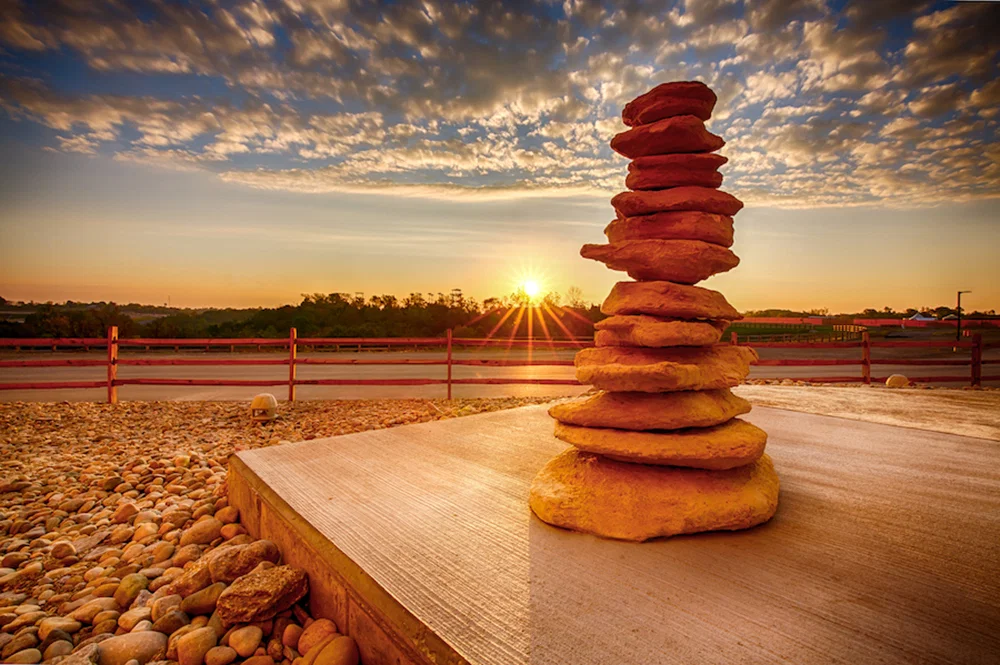
So God gave Joshua specific instructions: select twelve men, one from each tribe, and have them retrieve stones from the middle of the riverbed—right where the priests’ feet had stood as they carried the Ark of the Covenant. These weren’t pebbles; they were shoulder stones, significant rocks that required effort to carry.
God’s command was clear: “This may be a sign among you, that when your children ask their fathers in time to come, saying, ‘What mean ye by these stones?’ Then ye shall answer them that the waters of Jordan were cut off before the ark of the covenant of the Lord.”
Remembering God’s Faithfulness
The stones weren’t just decorative. They were conversation starters, teaching tools, tangible reminders of God’s faithfulness. Faith families intentionally remember what God has done.
Consider Memorial Day—a holiday specifically designed to prevent forgetting. We remember those who sacrificed their lives for freedom. We pause to honor service and valor. But how easily even significant events fade from collective memory. For many young people today, September 11th is merely a historical date, not a lived experience seared into memory.
The same pattern repeats throughout history. The Holocaust museums exist not for nostalgia, but as urgent warnings: “We don’t want people to forget what can happen.”
Yet we struggle to remember even in our personal lives. We experience God’s provision during a financial crisis, His healing during illness, His peace during relational turmoil—and then, months or years later, we face a new challenge and panic as if God has never shown up before.
This is why building memorials matters. Not monuments of stone necessarily, but intentional practices that keep God’s faithfulness at the forefront of our minds and the minds of those who come after us.
Practical Ways to Build Your Memorial
Talk about answered prayer at the dinner table. Make it a regular practice to share how God has worked in your life. Don’t wait for formal occasions—weave stories of faith into everyday conversation.
Share your testimony with your children and grandchildren. Sit them down and tell them about the moment you came to faith, or about a time when God showed up in an undeniable way. Young people pay far more attention than we give them credit for, and they hunger for authentic stories of real faith.
Celebrate spiritual milestones. When a child accepts Christ or gets baptized, make it memorable. Mark the calendar. Bring it up in future years: “Three years ago today, you made the most important decision of your life.”
Write it down. Keep a journal of God’s blessings. In our digital age, record a video on your phone sharing a story of God’s faithfulness. Write letters to your children and grandchildren expressing your faith and your love. Don’t wait until you’re gone to tell them what they mean to you—give them flowers while they’re alive.
Honoring Sacrifice
The stones from the Jordan represented more than a miracle—they represented sacrifice. The Israelites had endured forty years of wilderness wandering before this moment. They had faced uncertainty, hardship, and loss. The memorial honored not just God’s power but the cost of reaching the Promised Land.
We honor sacrifice when we teach respect—respect for the flag, for those in uniform, for the families who bear the weight of military service. We honor sacrifice when we acknowledge that the freedoms we enjoy came at tremendous cost.
Most importantly, we honor the ultimate sacrifice when we live lives worthy of what Christ did on the cross. Jesus gave everything so we could have eternal life and abundant living. Living faithfully in response to His sacrifice becomes our memorial to Him.
Building a Legacy for the Future
The memorial stones weren’t primarily about the past—they were for the future. They existed so that generations yet unborn would know the story, would understand that nothing is impossible with God.
God’s plan has always been generational. Faith passes from parent to child, from grandparent to grandchild, rippling forward through time. This doesn’t happen automatically. It requires intentionality, consistency, and faithfulness.
One woman faithfully taught toddler Sunday school for years. When she passed away, her children and grandchildren walked through the classroom, touching the toys, remembering her legacy of service. Another man sat in the same pew every Sunday for decades. His grandchildren knew exactly where to find “Papaw’s pew,” and they filled it because of his example.
These aren’t grand gestures. They’re consistent, faithful presence. They’re showing up. They’re living what you believe even when it’s not convenient.
Your Legacy Starts Today
A legacy isn’t built in a single dramatic moment—it’s constructed one decision at a time. Every choice to pray with your family, every conversation about faith, every act of faithfulness adds another stone to your memorial.
You don’t have to be perfect. You don’t have to have all the answers. You simply need to be authentic about what God has done in your life and faithful in passing that story forward.
The question isn’t whether you’ll leave a legacy—everyone does. The question is: what kind of legacy will you leave? Will it be one that points the next generation toward faith, hope, and the God who parts rivers and makes the impossible possible?
Build your memorial. Tell your story. Don’t waste your pain or hide your victories. The next generation needs to know that the God who was faithful to you will be faithful to them too.